Misbarمِسبار الطبيMedical Team
Donate

Learning starts with practice.

A student-led, non-profit medical education team in Gaza. We turn what health students learned on a screen into skill they can do with their hands.

Skills we have trained

6 clinical skills · 7 courses · since August 2026

  • Suturing 2 courses · 70 trainees
  • IV cannulation & blood draw 1 course · 35 trainees
  • First aid 1 course · 50 trainees
  • Mechanical ventilation 1 course · 60 trainees
  • ECG 1 course · 40 trainees
  • Clinical nutrition In progress now

About us

It started with one student noticing a gap.

Misbar Medical Team was founded on 19 July 2026 by Mustafa Hassan Abu Rahma, a medical student who saw that years of online learning had left his peers in Gaza’s health faculties without hands-on practice.

What began as an idea became, within weeks, a working team: a first course in basic nursing skills, then suturing, first aid, mechanical ventilation, ECG and clinical nutrition, each one taught by doctors and specialists who volunteer their time.

Misbar (مِسبار) means probe: an instrument that reaches places others can’t. That is our job: to reach health students in Gaza wherever they are.

Misbar is not a hospital, a clinic or a treatment provider. It is an education platform and a student community built on practical training.
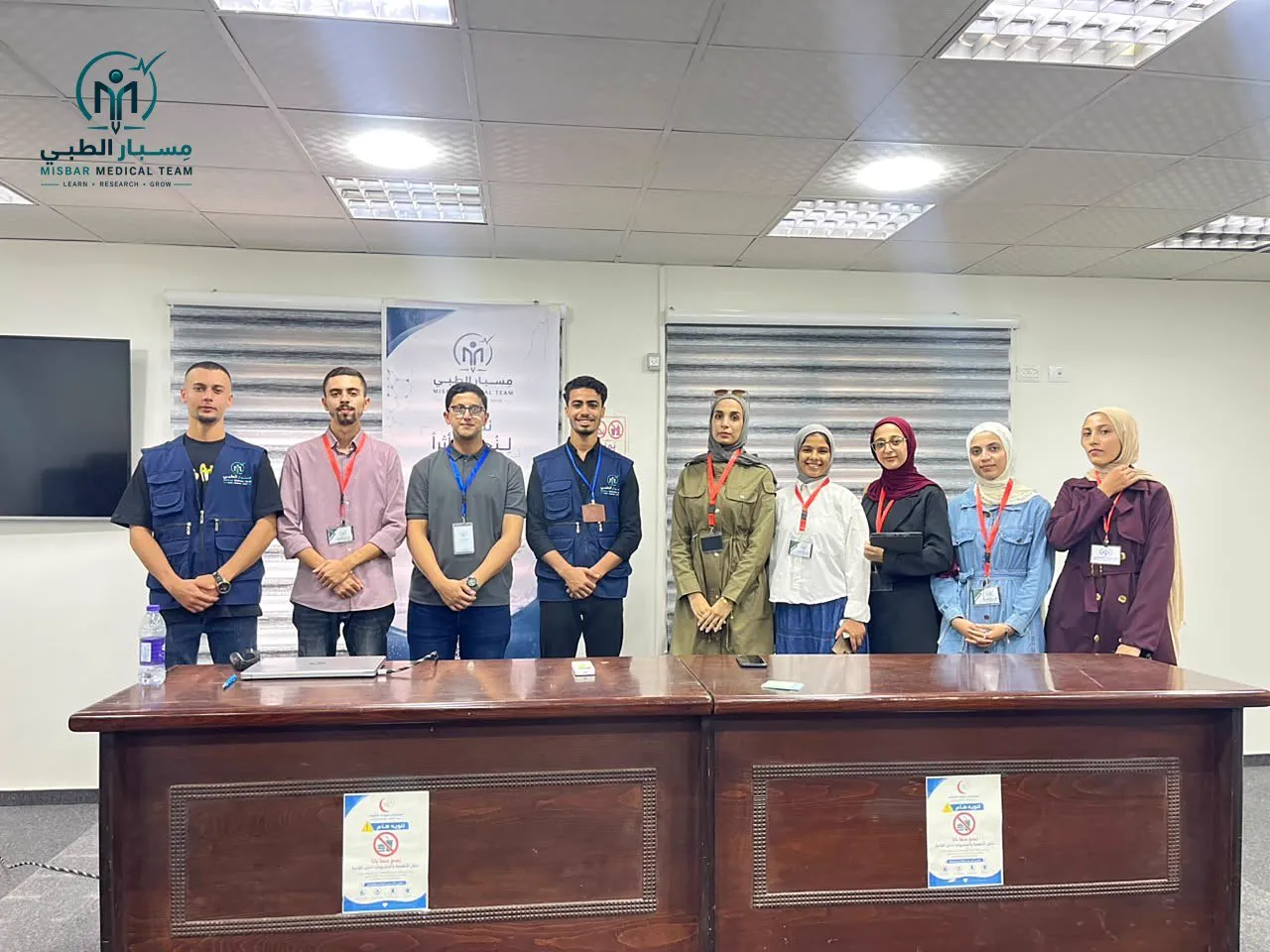
Nine members of the Misbar team standing behind a desk in a lecture room, wearing team vests and badges
Founder Mustafa Abu Rahma with core members of the team

Our vision

To be the first place health science students in Gaza turn to for building practical skills, through a learning community that joins knowledge, practice and research.

Our mission

To turn theoretical knowledge into practical skill through courses and workshops led by doctors and specialists, open to as many health students as possible.

Why it matters

Between the lecture hall and the bedside, there is a gap.

Long years of remote learning cost many health students in Gaza their interactive lectures and direct clinical practice. They learned procedures from a screen. Their hands are still waiting.
  • Structured practical training is scarce, especially for students who cannot afford private training centres.
  • There is no shared learning space where students from different health disciplines practise together.
  • Students need simple, reliable medical content written for them.
  • Conditions in Gaza’s health sector make regular hands-on training harder than usual.
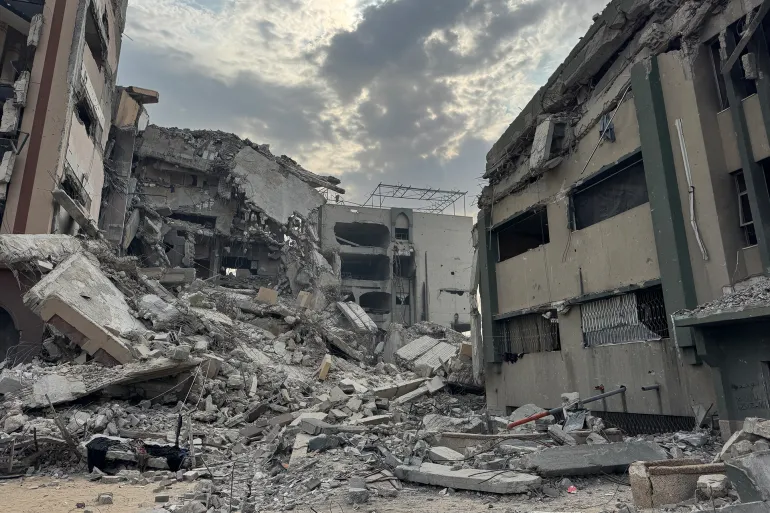
Collapsed university buildings and rubble in Gaza
A university campus in Gaza, destroyed.
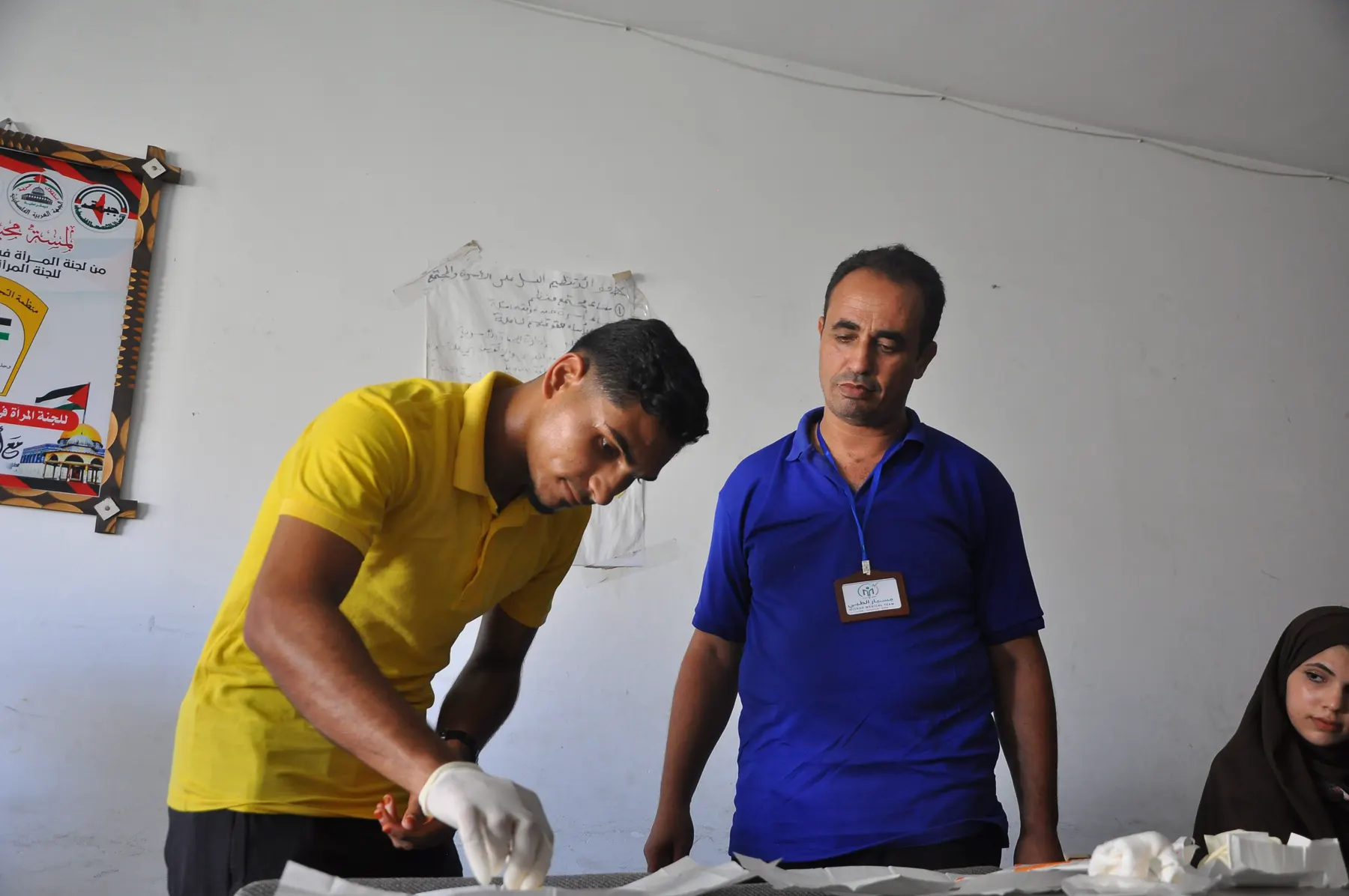
A gloved trainer demonstrates a nursing skill to a student while a supervisor watches
The training goes on: a Misbar nursing skills course, August 2026.

What we do

Three areas, one goal: health students who can do, not only recite.

A trainer guides a student’s hands on a suture pad while other students lean in to watch

Clinical skills training

Direct, supervised practice on core clinical skills: cannulation and blood draw, surgical suturing, first aid, and working with mechanical ventilators.
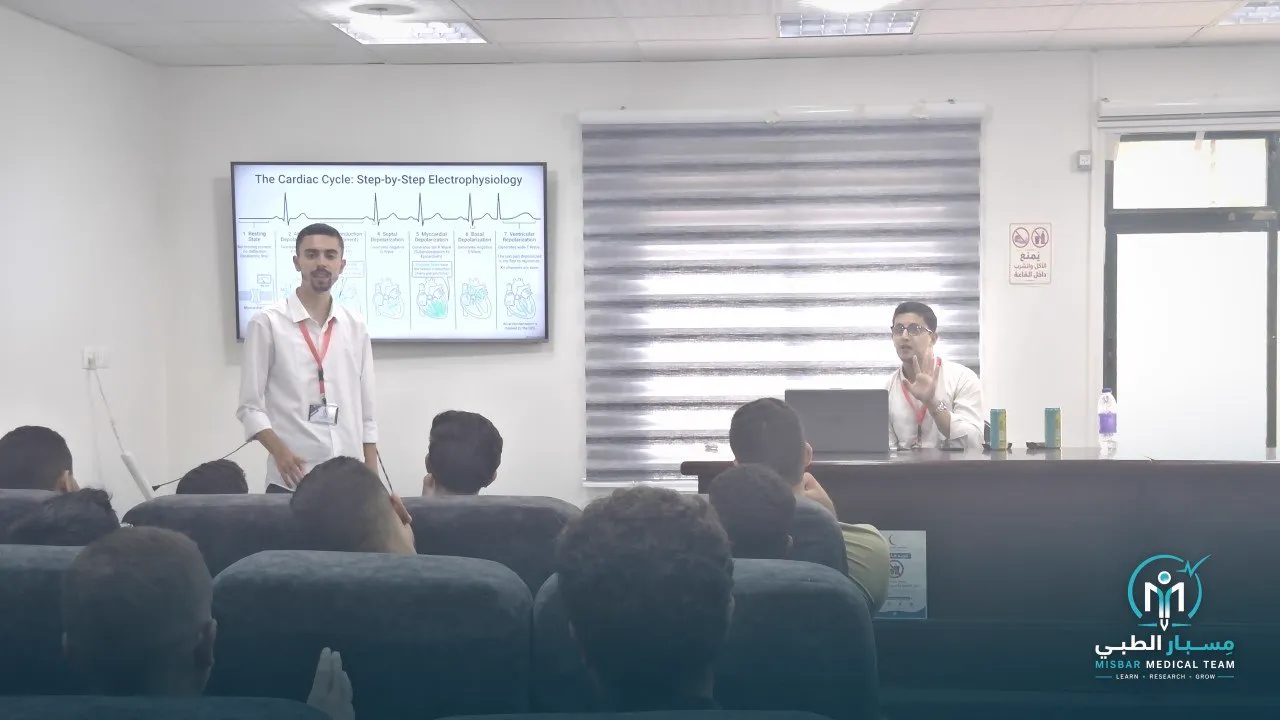
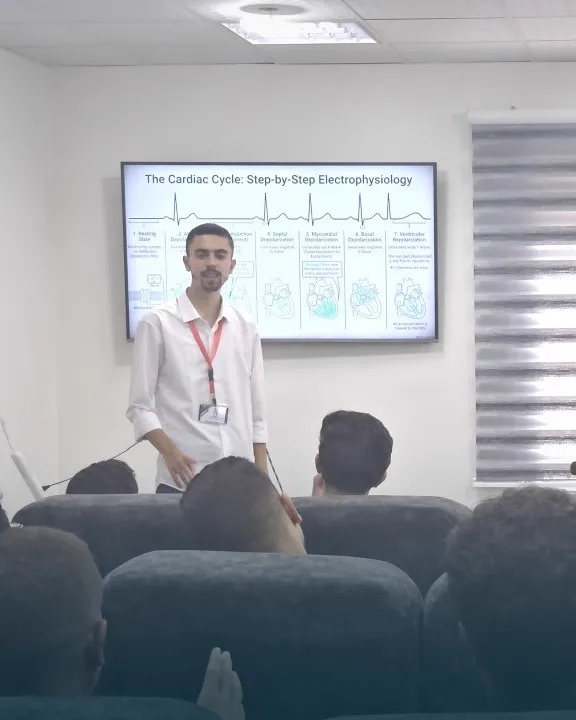
A trainer explains the cardiac cycle on a screen to a seated audience of students

Research & academic development

Activities that build scientific reading and research thinking, and reliable, simplified medical content made for students.
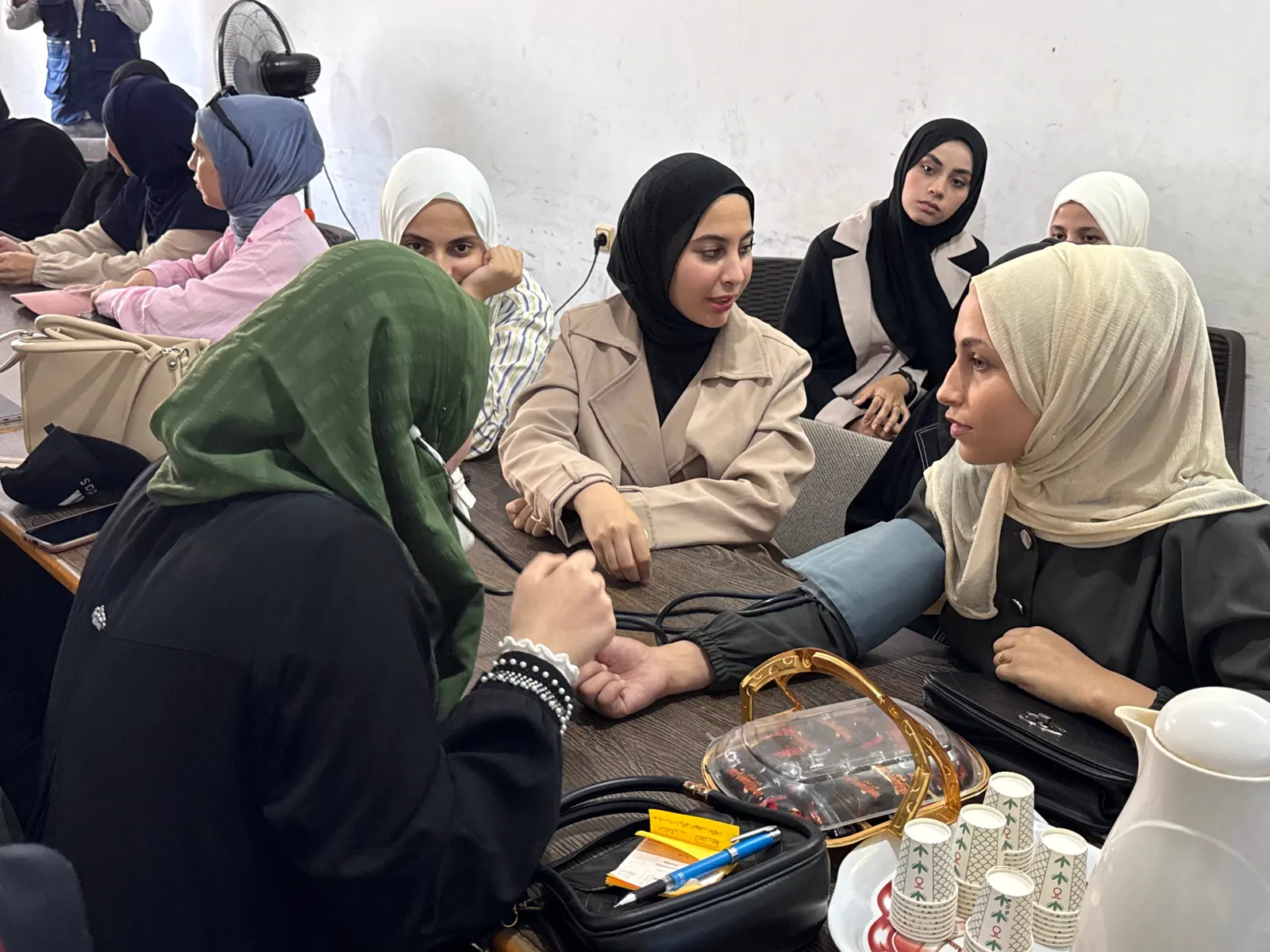
Students practising blood pressure measurement in pairs

A student community

Around 400 students from medicine, nursing, anaesthesia and other health fields sharing knowledge, opportunities and volunteer work.

Programs delivered

Our course log

Seven courses delivered under the supervision of doctors and specialists. A record, not a plan on paper.
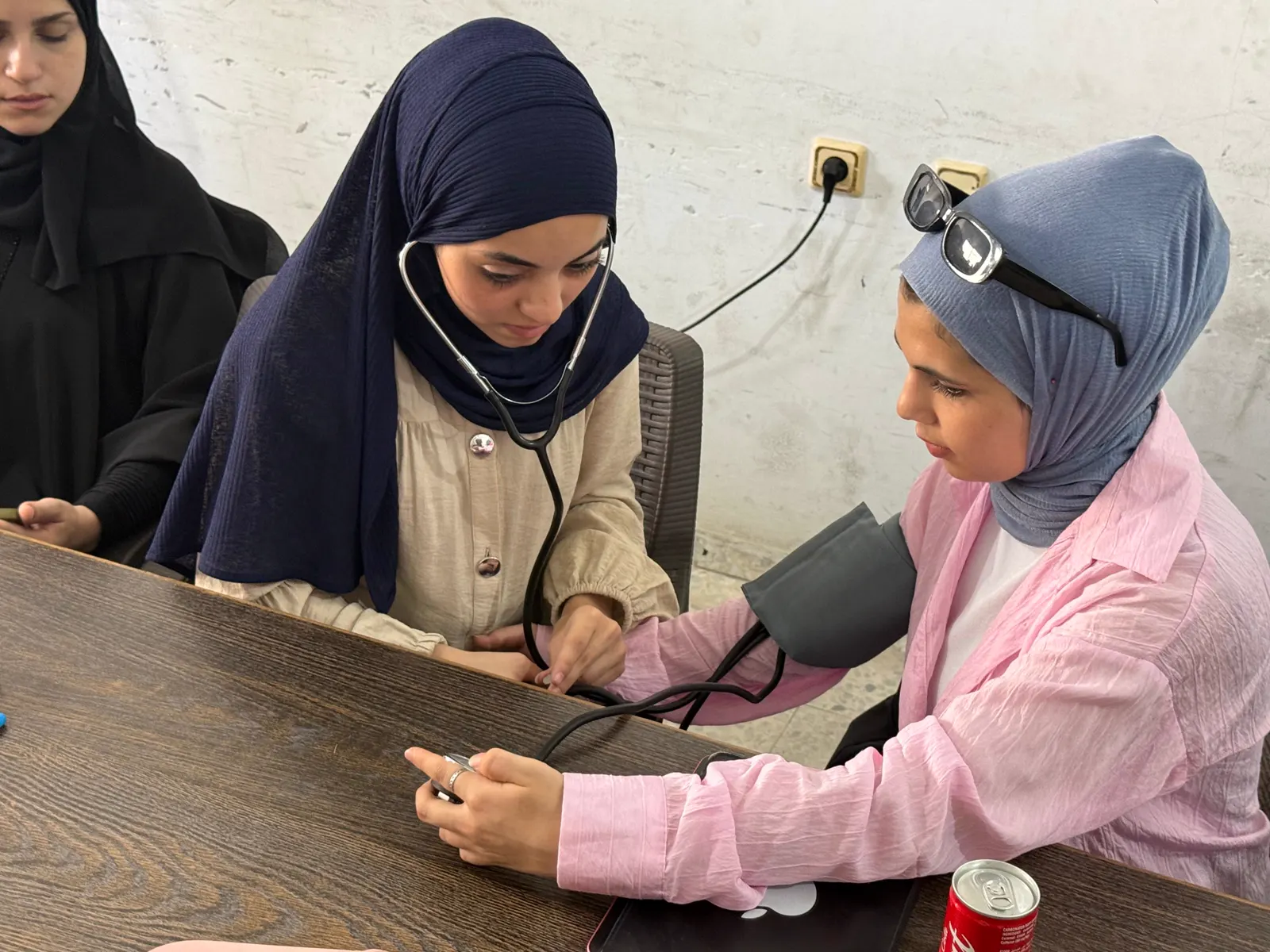
  1. Two students practising blood pressure measurement with a stethoscope

    Basic nursing skills

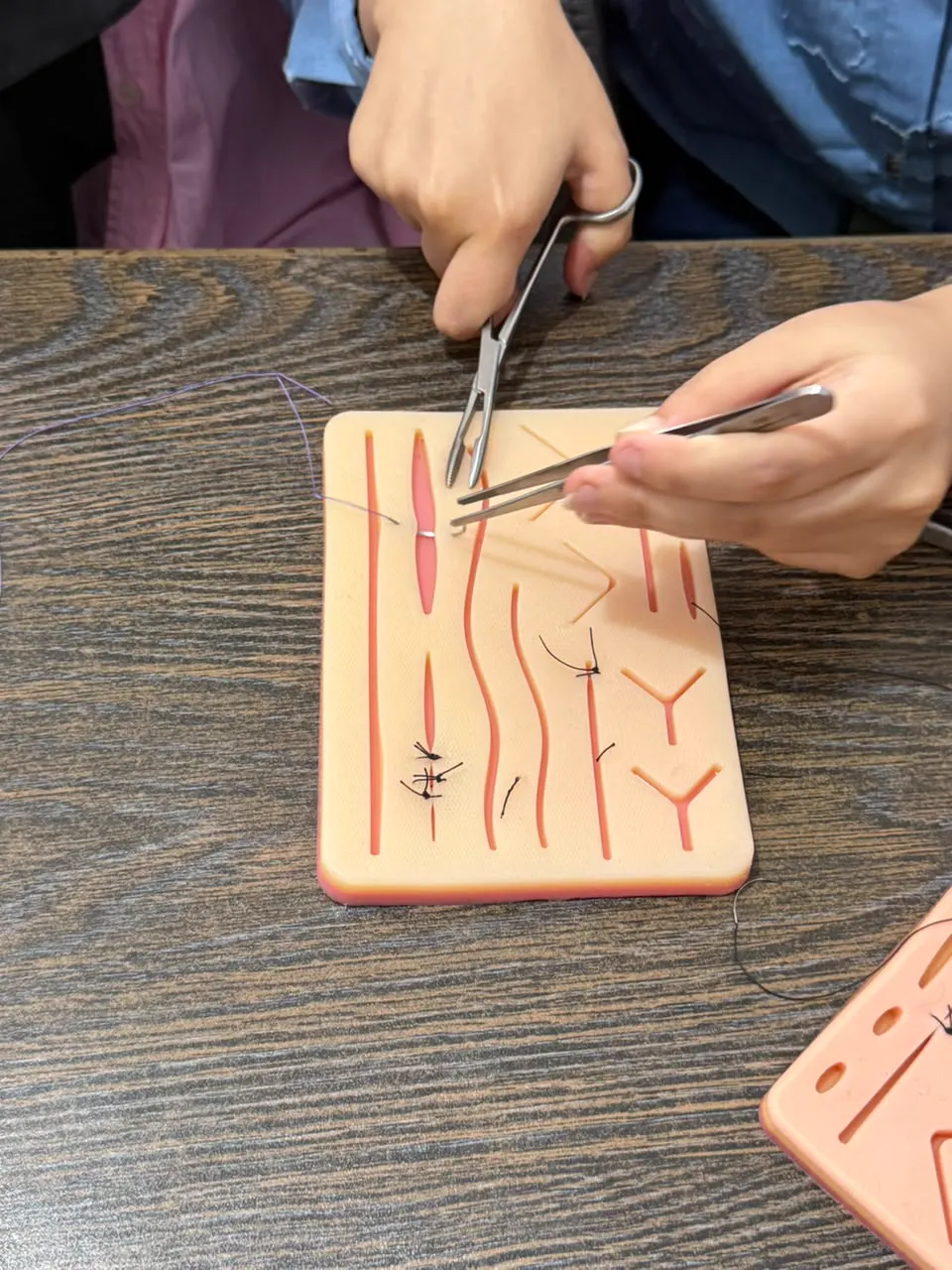
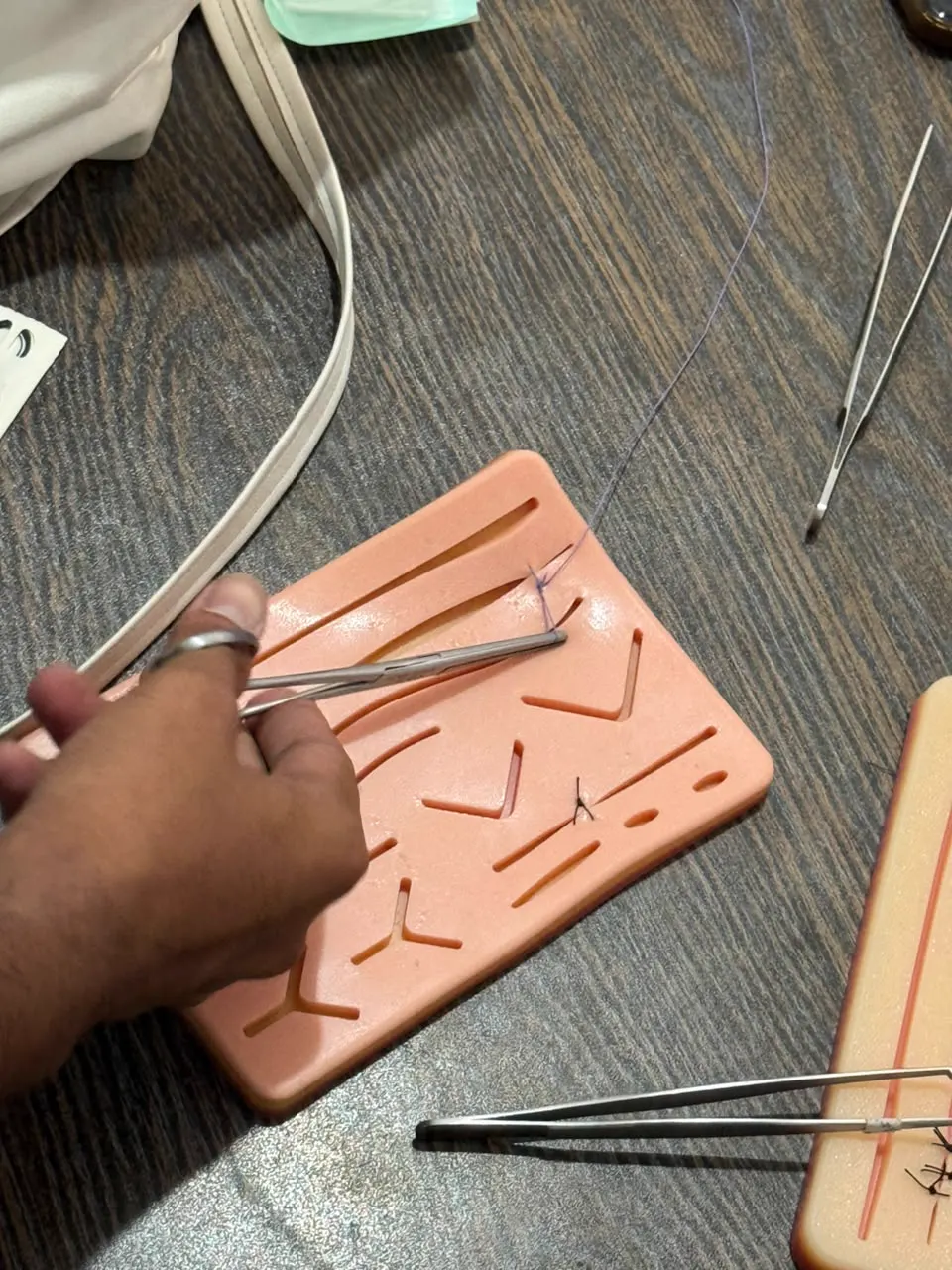
  2. Stitches on a suture practice pad

    Basic suturing skills (1)

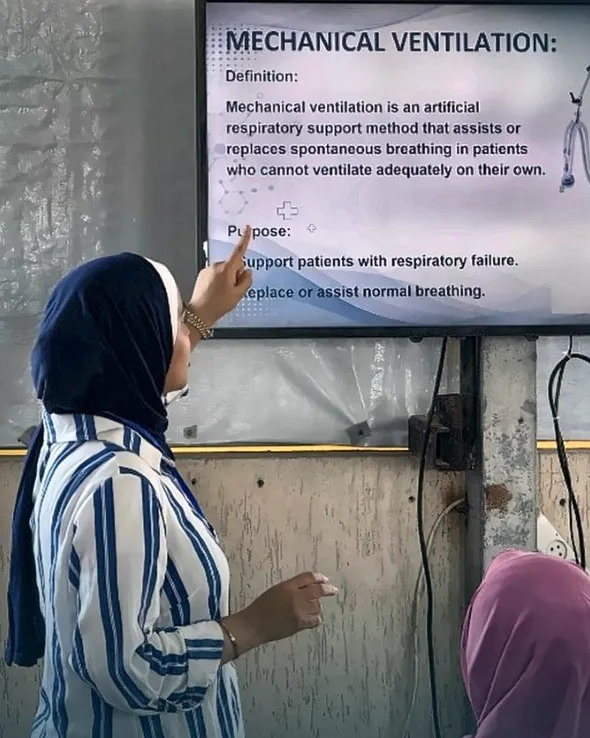
  3. A trainer points at a slide defining mechanical ventilation

    Mechanical ventilation

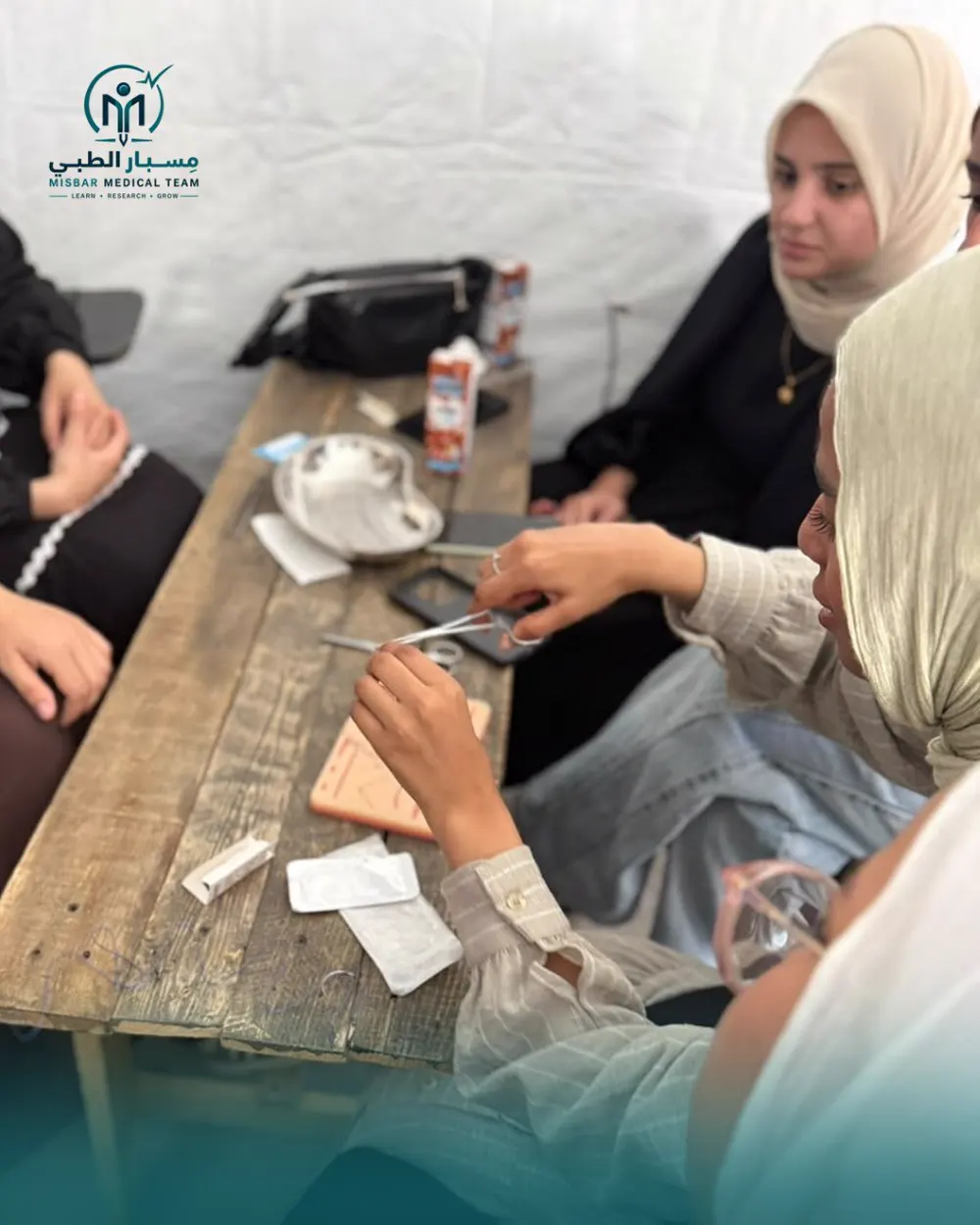
  4. Students practising surgical suturing around a wooden table

    Basic suturing skills (2)

  5. First aid

  6. A trainer presents the cardiac cycle during the ECG course

    ECG interpretation

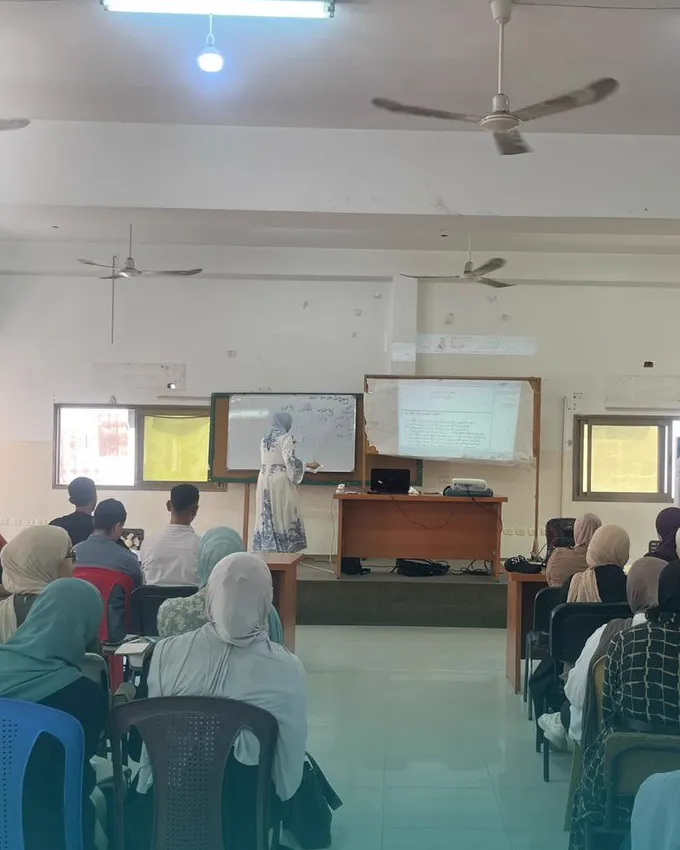
  7. Students seated in a hall during a theory session of the clinical nutrition course

    Clinical nutrition

The log stays open. Next: more clinical skills, more disciplines, more students.

Every clinical skills course is supplementary training. It does not replace accredited academic qualification, and does not authorise students to perform a procedure on a real patient without licensed supervision.

Sponsor the next course

Our impact

Two months in, this is the record.

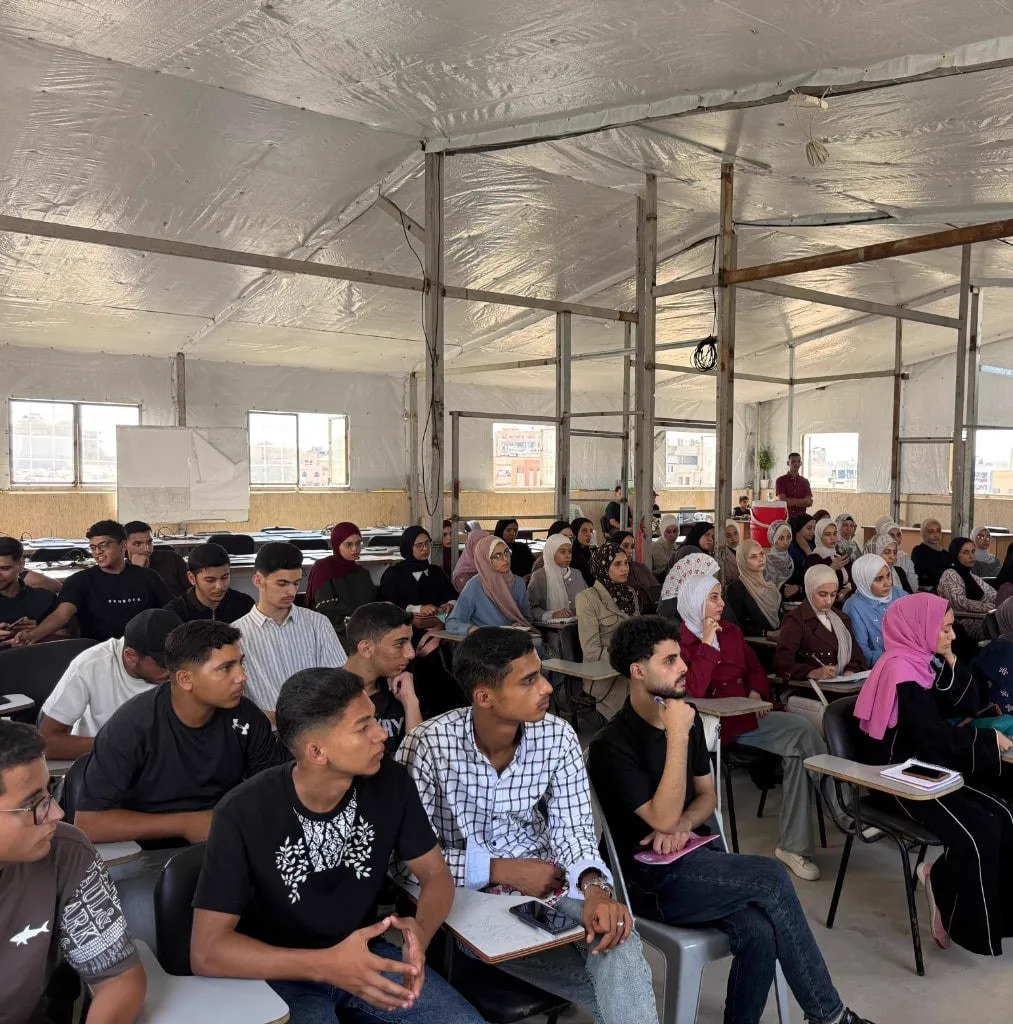
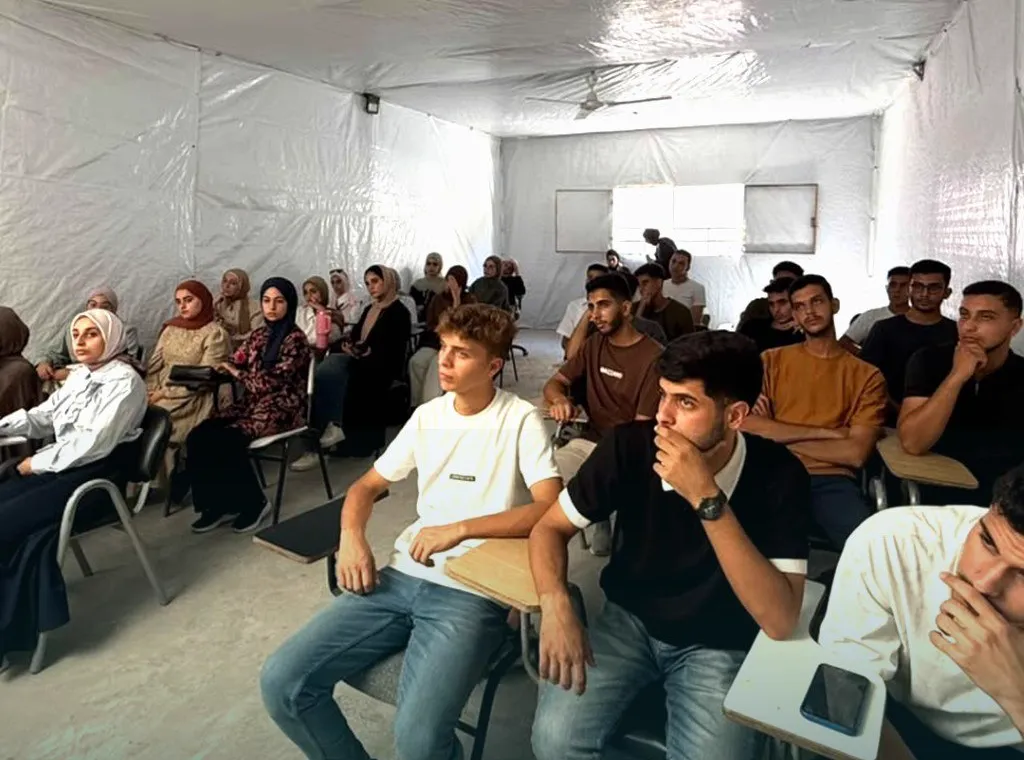
A full hall of students, men and women, listening during a Misbar course
Courses delivered
7
Students trained
350+
Volunteer team members
25
Students in our community
~400

What we are measuring next: pre- and post-test results for each course, participants by university and faculty, the share who later applied a skill in a real clinical setting, and participant satisfaction. We will publish them when they are complete, not before.

From the field

Inside the training rooms: hands learning, trainers correcting, and students from different disciplines at one table.

First aid course, September 2026

From an idea to a delivered course

Every program follows the same ten steps, so a sponsor knows exactly what their support becomes.
  1. Identify a training need among students.
  2. Choose the topic and the target skill.
  3. Engage the right trainer or partner.
  4. Prepare the content and supplies.
  5. Open registration to students.
  6. Handle logistics and on-site setup.
  7. Deliver the program, theory and practice.
  8. Document the activity in photos and writing.
  9. Collect evaluations from trainer and participants.
  10. Follow up and measure longer-term impact.
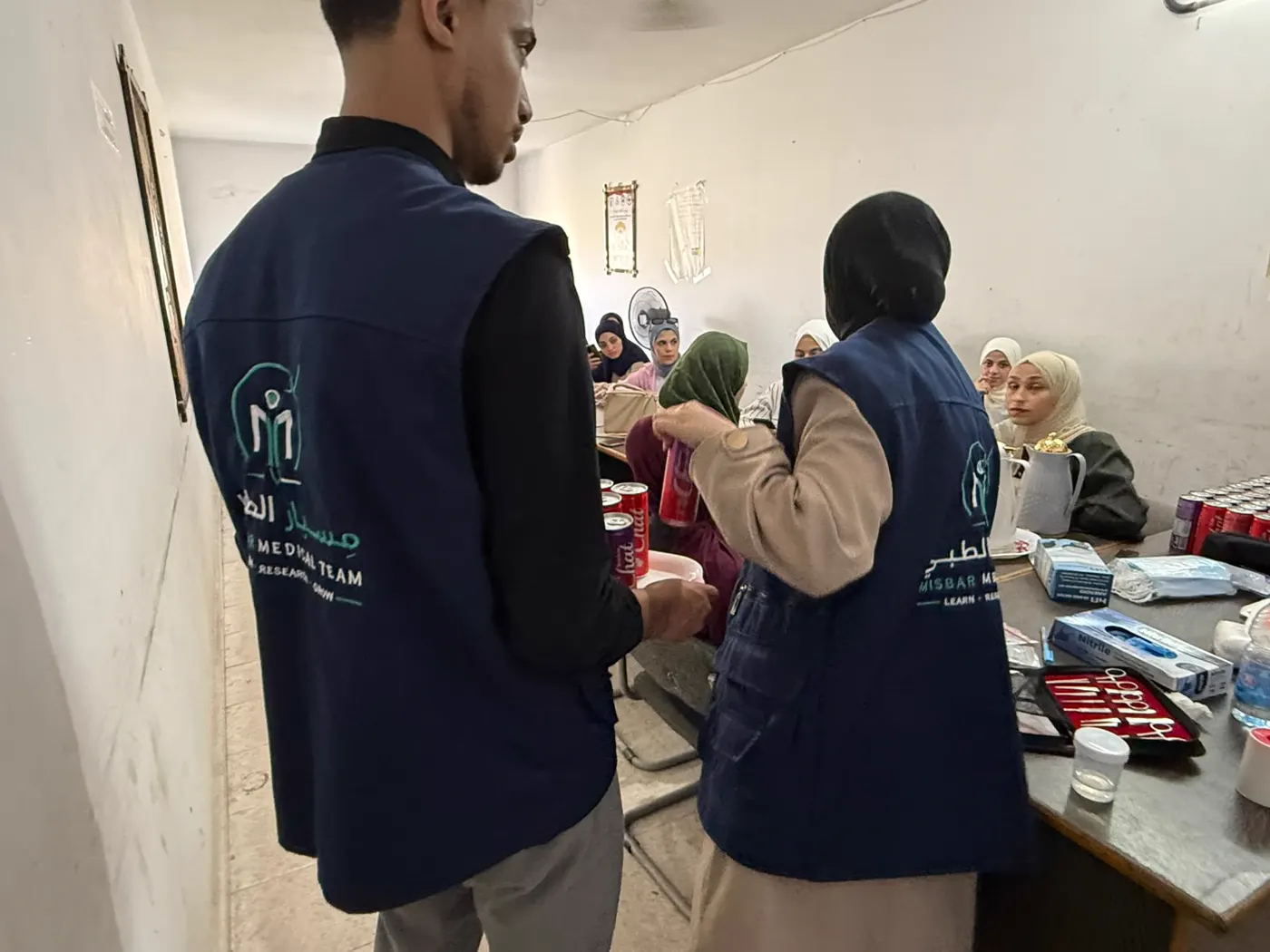
Two Misbar volunteers in team vests inside a training room

25 volunteers, seven areas of work

  • Program coordination and leadership
  • Design and visual content
  • Media, outreach and social platforms
  • Field organisation and operations
  • Registration and participant records
  • Photography and documentation
  • Training, under supervision of doctors and specialists

Members change; the way we work stays the same.
Our principles

Students seated and listening closely during the suturing course
Accessibility
Training open to as many students as possible.
Practical learning
Practice comes before memorisation.
Academic integrity
Accuracy and credibility in everything we teach.
Collaboration
Side by side with doctors and academic institutions.
Volunteerism
Real volunteer effort from the team and trainers.
Dignity before pity
We treat students as future colleagues, never as victims.

Join our mission

No formal partners yet. A real record already.

Misbar has no formally accredited institutional partnerships yet; talks with some universities and organisations are under way. What we offer any supporter is a team that has already proven it delivers.
Fund a course

Sponsor a full training program, or cover its supplies: suture kits, cannulas, dressings and training equipment.

Donate

Partner with us

Universities, hospitals and organisations can host a course, co-develop educational resources, run joint research, or accredit certificates.

Become a partner

Train with us

Doctors and specialists, in Gaza or across the diaspora, can volunteer as trainers or content reviewers.

Volunteer as a trainer

Why support Misbar

  • Direct reach to hundreds of health students in Gaza.
  • A 25-member volunteer team able to run a training program end to end.
  • A real record of 7 delivered courses.
  • Every activity documented, visually and administratively.
  • Transparent reporting on impact and spending to every supporter.
  • Flexible delivery within the conditions on the ground.

Ways to collaborate

Sponsor a program
Fund a complete training program.
Host a training
Host a course at your premises.
Provide clinical trainers
Doctors or specialists to lead sessions.
Academic partnership
A formal partnership with a university or faculty, with accredited certificates.
In-kind support
Training supplies and equipment.
Research collaboration
A joint research project.
Educational resources
Co-developed learning content.
Long-term partnership
A program partnership across several courses.

Help us train Gaza’s next health workers.

Donate through PayPal, or tell us how you would like to help. We reply to every message and report back on what your support made possible.
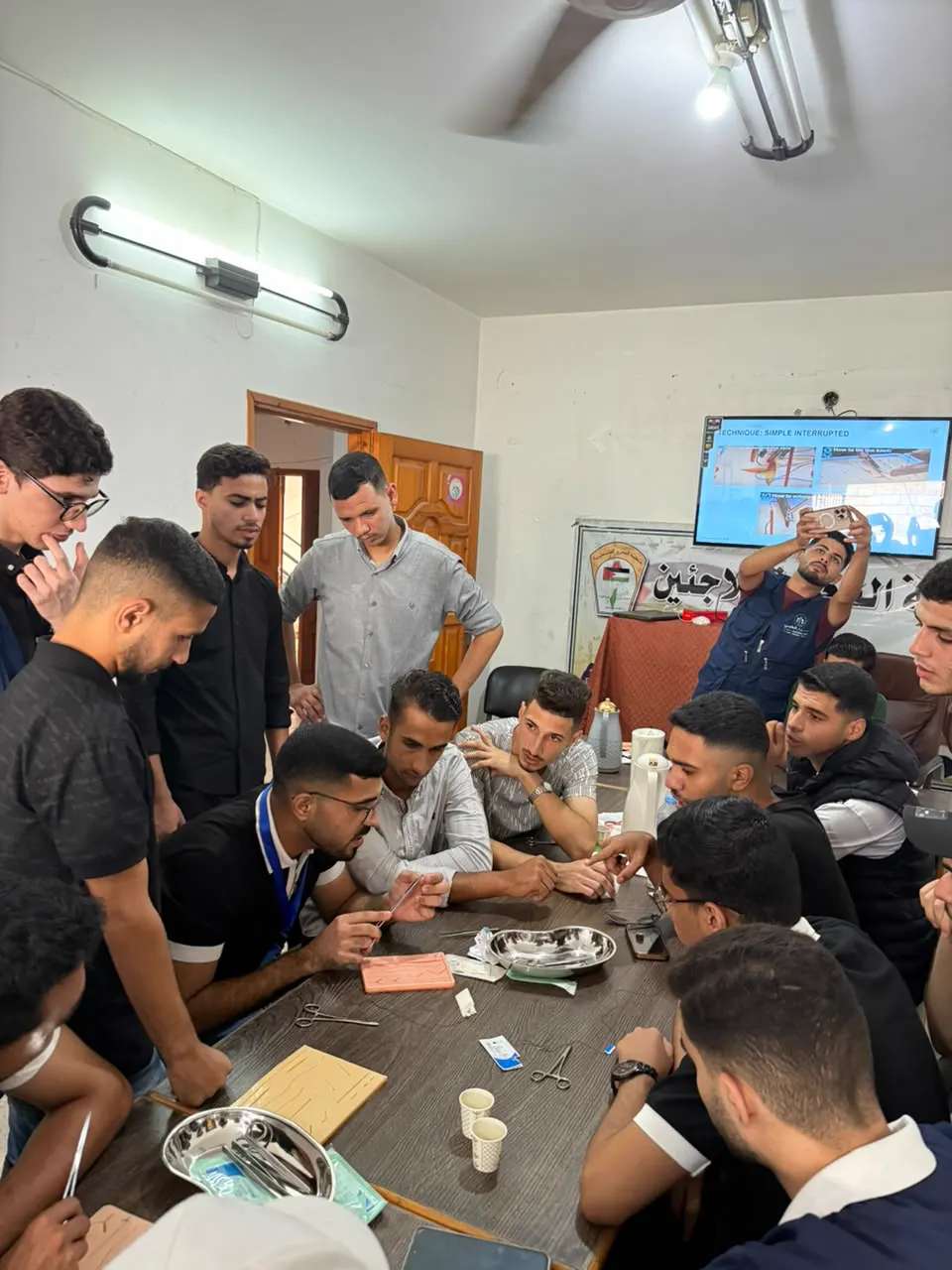
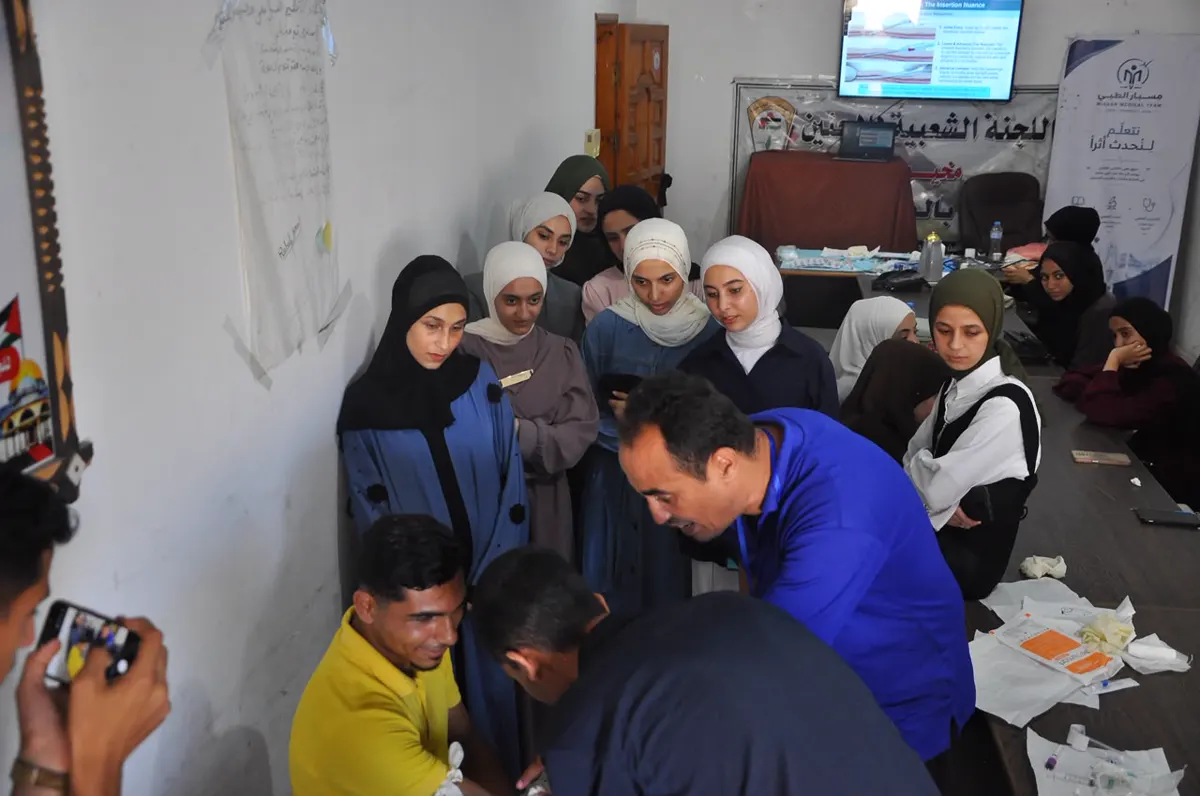
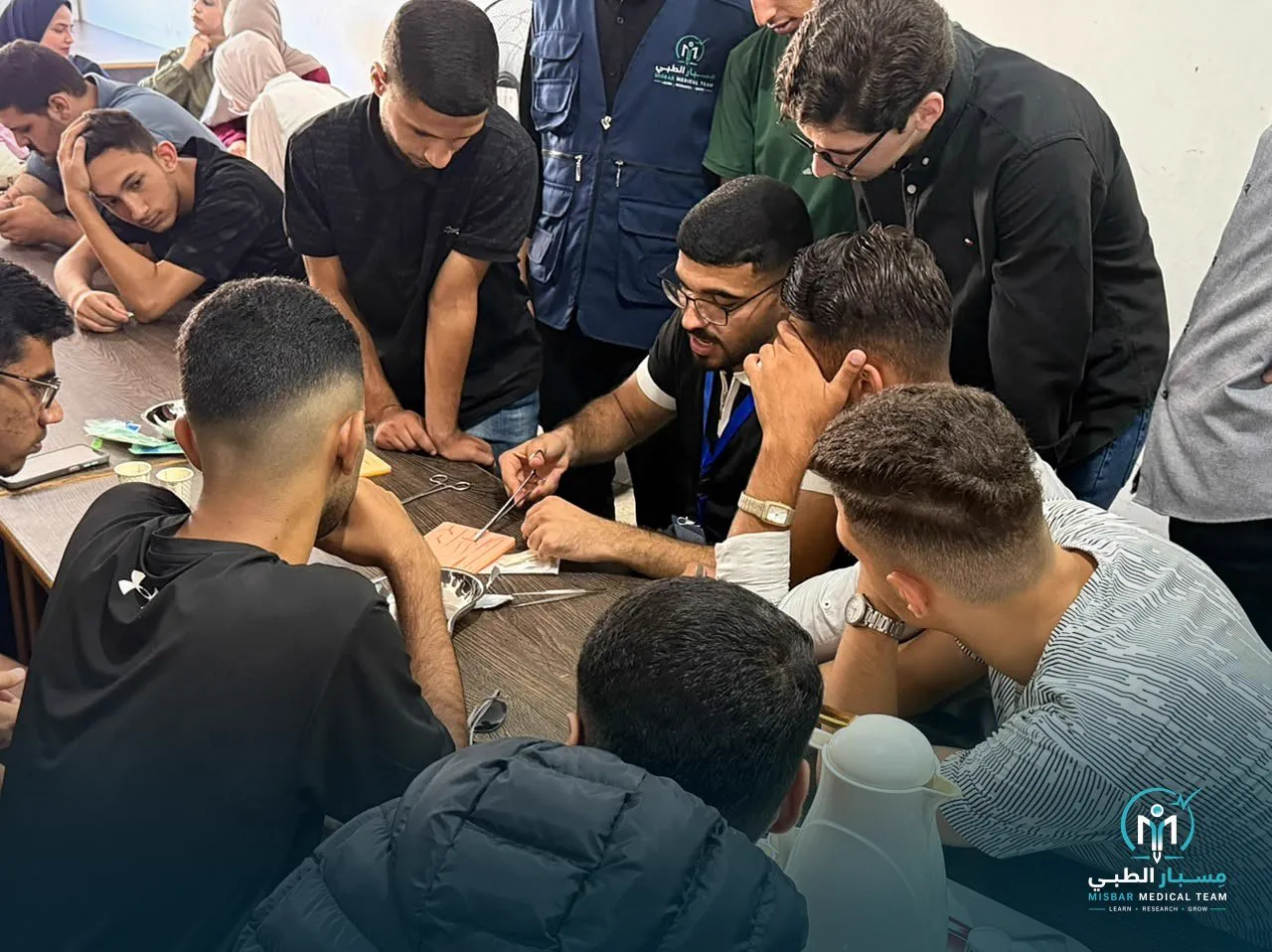
Students gathered around a table practising suturing while a trainer looks on Students watching a trainer demonstrate a skill at the front of the room